
RizzitGO Finds
Spreadsheet
OVER 5000+
WITH QC PHOTOS
Click the images below to browse!

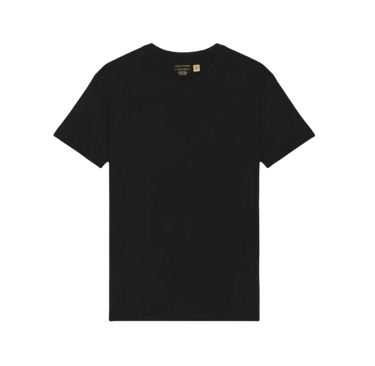
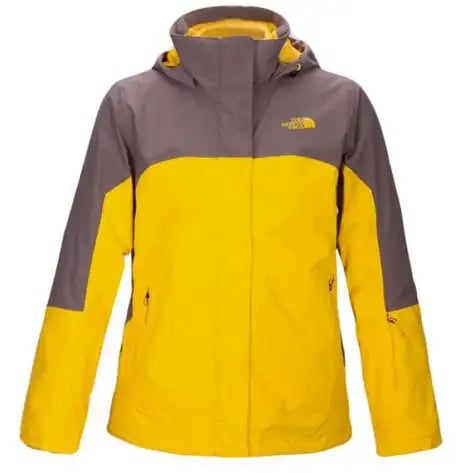
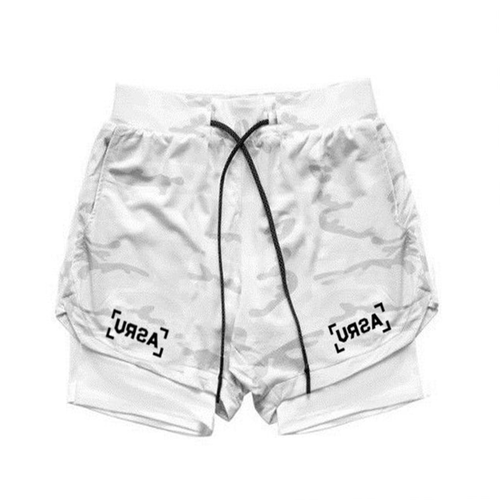
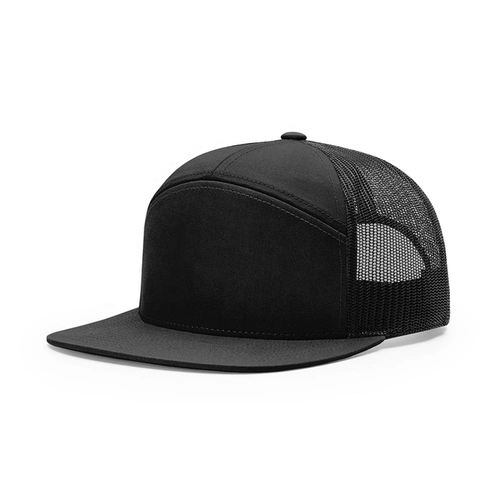
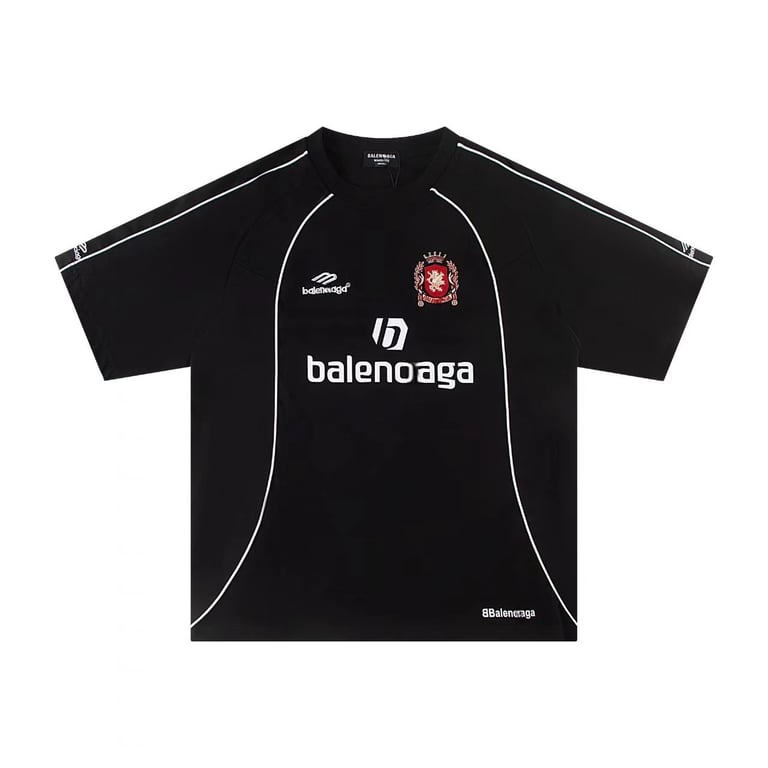
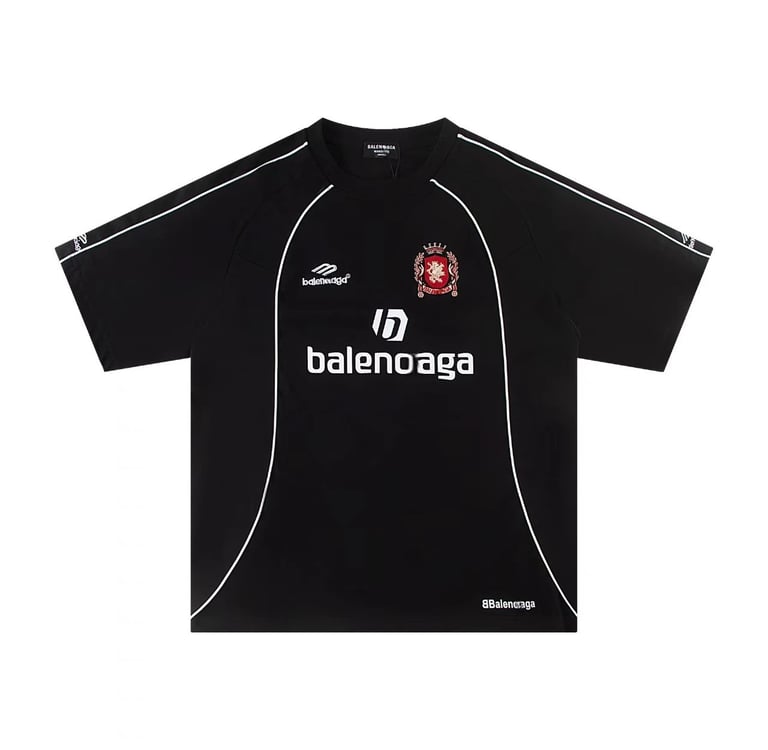


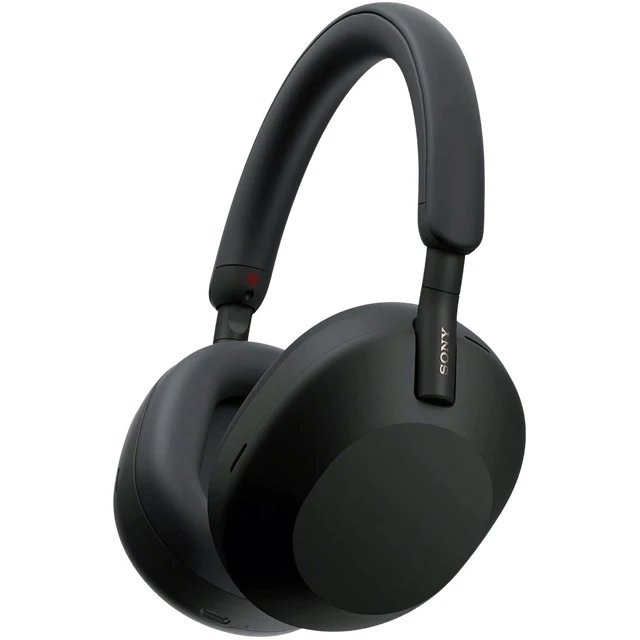
How Rizzitgo spreadsheet organizes daily essential shopping categories
Most daily shopping systems fail in a very simple way: they assume users think in categories. In reality, people don’t wake up thinking “I need kitchen items” or “I need bathroom supplies.” They think in interruptions—something ran out, something feels low, something needs replacing.
The Rizzitgo spreadsheet is structured around this exact behavior. Instead of forcing products into static retail categories, it reconstructs daily essentials around interruption patterns and replacement triggers.
A typical morning scenario (what actually happens)
A user opens the system with no clear plan. They are not “shopping,” they are fixing small gaps.
Tissue box is almost empty
Cleaning spray is missing
Toothpaste is nearly finished
None of these belong to the same traditional category. But in the Rizzitgo spreadsheet, they are treated as the same type of behavior: “short-cycle replenishment.”
This is where the structure begins—not from product type, but from urgency rhythm.
What the system actually groups (not what stores usually group)
Instead of building folders like “home” or “personal care,” the Rizzitgo spreadsheet organizes items by how they behave in real life:
Fast depletion items (things that constantly run out)
Medium-cycle items (weekly or irregular replacements)
Stable inventory items (rarely replaced but still essential)
This means a toothbrush and dishwashing liquid might sit closer together than two kitchen items, because they share similar replacement timing.
Why this changes daily shopping behavior
Once users interact with this structure a few times, something subtle happens.
They stop rebuilding shopping lists from scratch.
Instead of asking:
“What do I need today?”
They start recognizing:
“I’m inside my weekly replenishment group again.”
The Rizzitgo spreadsheet doesn’t simplify choice—it removes the need to re-decide the structure every time.
Fragmented supply stops breaking the flow
Daily essentials are usually scattered across suppliers with inconsistent naming. One store calls it “cleaning cloth,” another calls it “multi-use wipe,” and another hides it under general household items.
The Rizzitgo spreadsheet doesn’t try to standardize naming. It groups them based on usage behavior across listings. So even if names differ, items still appear inside the same behavioral cluster.
This reduces one of the biggest friction points in cross-border essentials shopping: repeated re-identification.
Where Rizzitgo links actually matters
Once a user enters a replenishment cluster, Rizzitgo links removes the need to re-search across suppliers.
Instead of:
search → compare → re-open → verify → repeat
The flow becomes:
cluster → direct supplier access → quick confirmation
The structure is already prepared, so browsing becomes execution.
The real shift (what changes over time)
After repeated use, users don’t feel like they are browsing a catalog anymore.
They feel like they are moving through stable consumption loops:
weekly restock loop
monthly replenishment loop
occasional refill loop
The Rizzitgo spreadsheet quietly turns scattered purchases into predictable cycles without asking users to consciously organize anything.
Closing insight
Daily essentials are usually treated as the simplest ecommerce layer, but they are actually the most repetitive and least structured in real behavior.
The Rizzitgo spreadsheet doesn’t solve this by better categories. It solves it by replacing categories entirely with consumption rhythm structures.
And with Rizzitgo links, those structures stop being abstract—they become direct, repeatable shopping paths that match how people actually live, not how stores are organized.


How Rizzitgo links simplify navigation for everyday shopping needs
Everyday shopping sounds simple until you look at how it actually happens online. A user is not moving through a clean, linear store structure—they are jumping between suppliers, re-identifying the same products under different names, and repeatedly rebuilding context just to complete small purchases. What should take seconds often becomes a chain of navigation steps that feel disconnected.
The Rizzitgo links system is designed specifically to reduce this fragmentation, not by changing what users search for, but by changing how they move between results.
Everyday shopping is usually a broken path, not a straight line
In a typical scenario, a user looking for basic items like cleaning tools or household supplies does not stay within one supplier. They open multiple sources, compare inconsistent listings, and often lose track of what they were originally evaluating.
Each new page resets the process:
product name changes slightly
pricing appears in different formats
similar items are not clearly connected
users must re-interpret everything again
This constant reset is what makes everyday shopping feel slower than it should be.
Rizzitgo links remove repeated re-identification
The core function of Rizzitgo links is to eliminate the need to “re-understand” the same product in different places.
Instead of treating each supplier page as an isolated destination, the system connects equivalent listings into continuous navigation paths. When a user moves from one item to another, they are not starting over—they are staying inside a structured route.
So instead of:
open page → understand product → leave → search again → re-compare
The flow becomes:
entry point → connected listing → next equivalent option → direct transition
Navigation becomes continuity instead of repetition
The biggest improvement is not speed alone—it is continuity.
With Rizzitgo links, users no longer experience each supplier as a separate environment. Similar products are already linked through pre-built pathways, which means switching between them does not break context.
This is especially important for everyday shopping because:
products are often repeated across multiple stores
naming conventions are inconsistent
identical items appear under different listings
users rely heavily on comparison rather than discovery
The system turns these fragmented steps into a continuous browsing flow.
From searching to following structured routes
In traditional navigation, users actively search at every step. In the Rizzitgo links environment, they start following routes that already exist between related products.
For example:
a cleaning item leads directly to similar variants in other suppliers
a household essential cluster connects multiple price versions automatically
related items are accessible without re-entering search queries
This reduces the cognitive load of repeatedly deciding where to go next.
Everyday decisions become faster because context is preserved
One of the hidden costs in everyday shopping is context loss. Users forget what they just compared because each page is structurally different.
The Rizzitgo links system preserves context across transitions:
product identity remains stable across suppliers
comparison paths stay connected
users do not restart evaluation each time
This allows decisions to build progressively instead of restarting at every click.
Connection with Rizzitgo spreadsheet
While Rizzitgo spreadsheet defines and organizes product relationships, Rizzitgo links turns those relationships into movement.
Spreadsheet = structure of product relationships
Links = navigation between those relationships
Without links, structure remains static. With links, it becomes usable flow.
Conclusion
The Rizzitgo links system simplifies navigation for everyday shopping by replacing fragmented page-by-page browsing with continuous, connected routes between related products. It removes repeated re-identification, preserves context across suppliers, and turns navigation into a structured flow rather than a sequence of disconnected searches.
In combination with the Rizzitgo spreadsheet, everyday shopping becomes less about repeatedly finding products and more about moving through an already-organized environment where paths are pre-connected and ready to follow.